
Small producers5 min read
From small producers to the shelf: how packaging affects buyer trust
A small food producer often starts with a product they believe in.
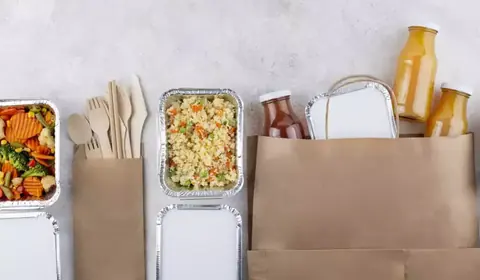
A small food producer often starts with a product they believe in. It may be homemade biscuits, dried fruit, a spice blend, pasta, coffee, tea, honey, flour, snacks or some other food made in a small workshop, a family plant or a local production. At first most of the thinking goes into the taste, the recipe, the ingredients and how to reach the first buyers.
But once the product leaves the circle of familiar people and reaches a shelf, a market, a delicatessen or an online shop, it is no longer represented only by what is inside. The buyer sees the packaging first. Before tasting, they judge whether the product looks neat, reliable, fresh and worth their attention.
Packaging cannot save a bad product, but a good product can easily go unnoticed if it is packed untidily, unclearly or not professionally enough.
The first impression comes before the taste
A buyer rarely has much time to think about each product on a shelf. They look at the shape, the colour, the label, the closure, the cleanliness and the overall impression. If something looks improvised, trust falls. If the packaging looks careful, the chance of the product being picked up rises.
For small producers that first impression weighs especially heavily. Big brands already have recognition, advertising and distribution. A small producer often has only a few seconds to explain who they are, what they offer and why their product deserves trust. In that moment the packaging works as a silent salesperson.
A neatly closed pack, a clear declaration, a visible best-before date, a solid look and the sense that the product is properly protected send a simple message: someone took care. That message is often as important as the design itself.
Trust is not only a matter of looks
Nice packaging catches the eye, but trust does not come from looks alone. The buyer wants to see that the product is protected, that the contents do not spill, that the pack is not damaged and that nothing was done in a hurry.
This is especially true of dry products, smaller packs, spices, grains, pasta, nuts, coffee, teas and similar items. If a bag closes badly, looks as if it could open in transport, or the contents spill and look untidy, the buyer notices. They may not know exactly why the product does not inspire trust, but they pass it by more easily.
That is why packaging is not a final, unimportant step after production. It is part of the product. In smaller plants that does not have to mean an expensive line or a complicated system, but it must mean consistency. Every batch should look uniform enough for the buyer to know what to expect.
At that stage producers often think about practical ways of sealing their packaging, and part of the wider set-up may be Pak Sistemi bag sealers.
Right after that come declarations and labels, because they must tell the buyer clearly what they are buying, who stands behind the product, how to store it and by when to use it. Equipment alone does not build trust if the product has no clear declaration, a tidy presentation and a consistent standard from one batch to the next.
The shelf does not forgive improvisation
A product sold directly to a regular or already interested buyer can get by with a lot of explaining. The seller can say when it was made, how to use it and why it looks the way it does. On a shelf there is no such conversation. The packaging has to answer the basic questions by itself.
What is this? Who makes it? How long does it keep? How should it be stored? Does it look safe? Is it easy to use? Is it worth the price?
If the buyer has to guess too much, the product loses its chance. That is why simplicity and clarity matter more than decoration. A label does not need to carry every possible piece of information in big letters, but what matters must be legible. Packaging does not have to be luxurious, but it must not look accidental.
Small producers often want to keep the feel of homemade and handmade work. That can be an advantage, but only if it does not turn into an impression of untidiness. Homemade does not mean imprecise. Handmade does not mean inconsistent. Today’s buyer may love local production, but still expects a basic level of professionalism.
From product to brand
When the same product appears again and again in a tidy, recognisable form, the buyer starts to remember it. The packaging is then no longer just protection for the contents but part of the identity. The colour of the label, the shape of the bag, the closure, the layout of the information and the overall impression become signals that set the product apart.
That is an important step for small producers. The first time, a buyer may choose out of curiosity. The second time they come back because they recognise the product and had a good experience. If every next encounter looks different, trust is harder to build.
Consistent packaging does not mean everything has to look cold and factory-made. On the contrary, a small producer can keep warmth, local character and individuality. But that individuality should be intentional, not the result of improvisation.
Sales on the shelf begin long before the product reaches the point of sale. They begin the moment the producer realises that the buyer sees not just the contents but the whole impression. When the recipe, the packaging, the label and the closure work together, the product has a much better chance of being noticed, bought and chosen again.
More from the blog
Small producers6 min read
How to combine a weekend trip with meeting domestic producers
It is worth planning ahead how visits and rest can fit into the same weekend; these tips make it easier.
Small producers6 min read
What a small producer must plan before expanding the business
Growing demand can be a good sign, but it is also the moment when a small producer has to check carefully whether the business is ready to expand.

Small producers6 min read
Why are buyers paying attention again to where their products come from?
Buyers increasingly look not only at what they buy but at where a product comes from.
Everything in this article comes from domestic producers
Browse the shop by category, or see the producers behind the products.