
Small producers6 min read
How to combine a weekend trip with meeting domestic producers
It is worth planning ahead how visits and rest can fit into the same weekend; these tips make it easier.
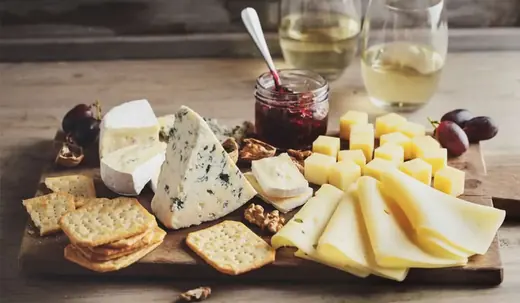
A weekend trip is the best chance to get to know domestic products where they are made, not only on the shelf, because with the honey, cheese or rakija you also meet the producer who makes them. So it is worth planning ahead how visits and rest can fit into the same plan, and the following tips make that easier.
Why do weekend trips bring domestic products closer?
When you buy a jar of honey in a shop, you see the label, the price and perhaps the place of origin. When you stand in a beekeeper’s yard, you see the hives, hear why meadow honey differs from acacia honey and smell scents that will never fit on a shelf. A weekend is just long enough for that experience, and short enough not to need serious preparation or a long absence.
Imagine a Saturday when you visit a small goat-cheese farm in the morning and in the afternoon sit in an ethno village over a pie from a wood-fired stove. None of it is a spectacle, and that is exactly why it stays with you. The producer does not lecture you; they simply talk about their work, and along the way you realise how much effort is behind a jar of jam or a piece of dried meat.
There is a practical reason why short trips work well. Small producers often work alone or with their family, so it is easier for them to receive you at an agreed time than to be available to guests all the time. A weekend planned in advance fits their rhythm and gives you enough time to talk without hurrying.
How to choose visits without overfilling the schedule
The most common mistake is wanting to fit everything into two days: a farm, a winery, an ethno village, a monastery workshop and a market or two. The result is driving between points, not meetings. A better rule: two, at most three visits a day, with a clear decision about what interests you most. If dairy draws you, see what else the same area offers and add one place with drinks or sweets to the route.
A simple procedure helps with the choice:
- Choose one area as the main theme of the weekend, for example cheeses, honey or zimnica.
- Look for producers in that area who receive guests, and contact them in advance.
- Add one stop on the way, say a winery or an ethno village, that follows naturally from the route.
- Leave at least an hour in reserve between visits.
This is where logistics come in. If the farm, the ethno village and the winery are scattered across different parts of the country, it is most practical to decide before the trip how you will get around. Many then choose to rent a car to tour Serbia, because a vehicle gives them the freedom to stay longer where the conversation is good, without depending on timetables that thin out in the countryside in the afternoon.
An example: a family from Belgrade picks up a car on Friday evening, sleeps near the first destination and on Saturday morning reaches the farm before the day gets busy. They need not worry about transport, and the order of visits can shift as they feel, with no fear of missing the last bus.
Planning such a weekend also raises the question of whether to choose a short-stay apartment or a hotel, and the answer depends mostly on the location, the budget, the length of stay and how much flexibility you need when arriving and leaving.
What do you learn when you meet the producer?
Meeting a producer is not just shopping. Ask how they started, what changes from season to season, which part of the work they like most. The answers often reveal more than any description on the pack: that a jam is cooked only in one particular week when the fruit ripens, that the pekmez is stirred with a wooden spoon kept in the family for decades, that the rakija is not bottled until the air has the right humidity.
The most valuable part of a visit is often what cannot be packed: knowledge, technique and a way of thinking. The host will show you how to recognise a quality product, how to store it and how to use it. Such advice is practical, and it gives you a different relationship with what you later put on the table.
A few questions that open a conversation without pressure:
- What is the hardest part of the year in your work?
- How would you tell a good product from a lesser one?
- How would you like your product to be served or used at home?
You do not have to write everything down, but what stays in your memory becomes part of the story you will tell later. That story is why domestic products bought on the spot carry a different weight from those that arrived by post.
There is another side: not every producer is talkative, and not every visit has to be long. Some will receive you briefly, show you the production and go back to work. Respect that, because what you are given is not a performance but an ordinary working day you were allowed to see.
How to combine meetings and time to rest
The aim of the weekend is not to come back more tired than you left. So the schedule should allow for empty space from the start: a later breakfast, a break after lunch, a walk with no destination. Rest is not what is left when the visits are over; it is part of the plan.
In practice you can divide the day into three parts. The morning is for one bigger visit, when producers are most ready for guests. The afternoon is for something lighter: an ethno village, a smaller workshop or a market. The evening is yours, with dinner somewhere quiet and no watching the clock. If you drive, decide in advance how many hours a day you are willing to spend at the wheel, because tired driving quickly eats up the pleasure of the landscape.
Here transport comes back as part of the experience. When you are free to stop on the road, buy fruit at a roadside stall or turn off towards a winery you spotted on the way, the trip finds its natural flow. A route linking farms, ethno villages and wineries then feels not like a task but like a series of small decisions made along the way.
Ironically, the best weekends with domestic producers are often those with fewer visits than planned. Two longer, calm visits leave more of a mark than five short ones, and you come home with stories you will remember rather than a list of crossed-out points. When you later open a jar of honey bought directly from the beekeeper, the taste reminds you of the yard, the conversation and a sunny afternoon that was in no hurry.
More from the blog
Small producers6 min read
What a small producer must plan before expanding the business
Growing demand can be a good sign, but it is also the moment when a small producer has to check carefully whether the business is ready to expand.

Small producers6 min read
Why are buyers paying attention again to where their products come from?
Buyers increasingly look not only at what they buy but at where a product comes from.
Small producers5 min read
From small producers to the shelf: how packaging affects buyer trust
A small food producer often starts with a product they believe in.
Everything in this article comes from domestic producers
Browse the shop by category, or see the producers behind the products.