
Tradition5 min read
The Serbian wedding then and now: what stayed the same, and what changed completely?
A wedding has always been one of the rare moments when the whole family, of every generation and from every side, gathers in the same place on the same day.
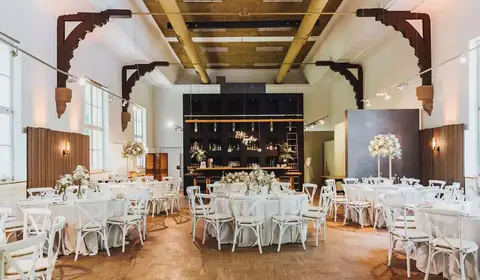
A wedding has always been one of the rare moments when the whole family, of every generation and from every side, gathers in the same place on the same day. That social frame has held for decades, while everything around it, from organisation to aesthetics, has changed as fast as the way people live. Bring that wider picture down to concrete details, such as the choice of clothes or the style of photography, and it becomes clear how much has stayed recognisable and how much has been completely reshaped.
Why a wedding still brings the family together
However much the trends in organising weddings change, one thing stays almost the same: a wedding is still the occasion when the family gathers in full. Relatives who otherwise see each other once a year, the kumovi with their special responsibility, parents following every detail of the preparations: all of them are part of the same recognisable structure that has existed for generations.
The emotional weight of the gathering rarely weakens, even when the celebration itself is organised quite differently from fifty years ago. Picture a hall full of guests of different generations, where a grandmother dances the kolo beside a grandson who follows the wedding through his phone camera. That contrast, the old and the new in the same frame, perhaps best describes what is really changing in Serbian wedding culture and what is not.
Family symbolism, such as blessing the newlyweds, the first dance or giving away the bride, still plays a central role at most weddings. What changes is the context of these moments: once they were part of a more modest celebration at home, while today they often become part of a carefully directed scene, filmed for social media.
From customs to aesthetics
Look at the customs at Serbian weddings over the last few decades and you notice that the very idea of the celebration has moved from the purely traditional towards an aesthetically designed event. Weddings used to follow a set pattern, focused on the rite and family tradition, while today couples give more and more attention to how the wedding looks, from the table decoration to the theme of the whole celebration.
Interestingly, this change does not necessarily mean moving away from tradition, but rather interweaving the old and the new in the same celebration. Brides today choose a dress inspired by classic cuts but pair it with modern details, such as a different fabric or an unusual colour. In the same way, women’s blazers are increasingly part of the modern wedding look as an alternative to the classic dress, especially among younger guests or for the part of the day that follows the civil ceremony.
That move towards a wider choice of outfits reflects a more general change in how people approach formal occasions. Instead of one universal dress code, there is now room for personal preference, practicality and combining classic and modern pieces, which used to be unusual.
What has changed in how guests look
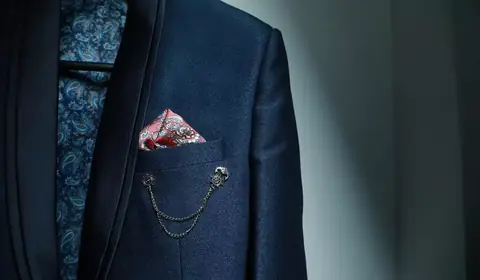
Wedding guests today have far more freedom in what they wear than a few decades ago. There used to be a clearly defined dress code, where long dresses and dark suits were almost compulsory; today different styles, colours and cuts are combined according to personal taste and the type of wedding.
The change shows especially in women’s clothes, where classic cocktail dresses are more and more often combined with more modern pieces. An elegant blazer, paired with trousers or a skirt, has become a practical and valued choice for guests who want to look festive and still feel comfortable through the whole day of celebration. The choice shows that comfort and style are now seen as equal criteria rather than opposites.
Men’s clothing, on the other hand, has stayed somewhat more conservative in its basic lines, though here too there are noticeable changes in the colours and textures of suits. Whatever the differences, the common thread is the same: guests today want to feel at ease, not just meet a formal dress code imposed by the occasion.
Still, there is another view. Some guests still consciously choose a more traditional, formal style, feeling that a wedding deserves a special, almost ceremonial approach to dress that differs from everyday fashion. For them, sticking to the classic code is a way of honouring the moment, not a limitation.
Music, photographs and the pace of the celebration
One of the most visible shifts at modern Serbian weddings is the way the whole event is recorded. Family photographs used to happen spontaneously, often only days later when the films were developed; today every moment is captured in real time, by professional photographers and, more and more often, by drone.
Music has also been transformed. Traditional bands still have their place, especially in the countryside, but they are increasingly combined with modern DJ sets that adapt the repertoire to a mixed audience, from older guests to younger generations who expect a more contemporary sound.
The pace of the celebration has changed too. Weddings used to last for days, with a series of smaller gatherings before and after the main celebration. Today it is more and more concentrated into one intense day, planned down to the detail, which somewhat changes the sense of ease that once marked celebrations lasting several days.
What stays the same despite new habits
Despite every change in organisation, aesthetics and pace, the essence of the Serbian wedding stays recognisable. The gathering of the family, the emotional weight of the moment when two people are officially joined, and the sense of togetherness that runs through the whole celebration remain the foundation of every wedding, however modern or traditional it is.
Just as older and younger guests still meet at the same celebration, classic and modern elements of style interweave in the same way. One guest will choose traditional folk costume as part of the rite, another will come in a modern blazer, and both will fit naturally into the same day. That the old and the new can live side by side instead of excluding each other perhaps best explains why the Serbian wedding, for all its changes, still feels deeply familiar.
More from the blog
Tradition5 min read
Domestic crafts today: how traditional skills find new uses
Domestic crafts today are not just a return to old skills but an answer to the wish for practical, lasting and personal things.
Tradition5 min read
Traditional products that still have a place in the modern home
Many household products survive not out of nostalgia but because they still offer proven practical value.
Recipes and the table7 min read
What can you make with a jar of jam?
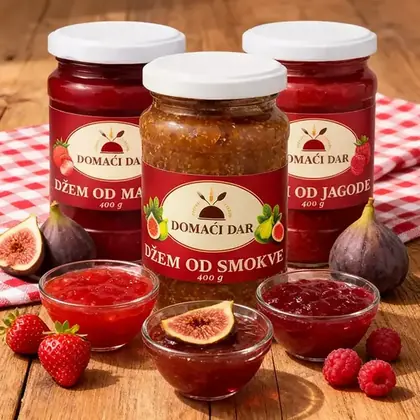
Jam is not just a spread for bread: it moves easily from breakfast into cakes, sauces and autumn desserts.
Everything in this article comes from domestic producers
Browse the shop by category, or see the producers behind the products.